Translational Agentic AI
For Life Scientists & Translational Researchers
Why Translational Agents?
“Agentic AI architectures are redefining bioinformatics by enabling end-to-end, auditable discovery workflows that integrate multi-omics foundation models, specialized agent teams, and automated validation to move from raw data to mechanistic hypotheses with traceable reasoning.” — paraphrased
Briefings in Bioinformatics, 2026, Branda et al.
Transparency & Specialization
Agentic AI Advantages
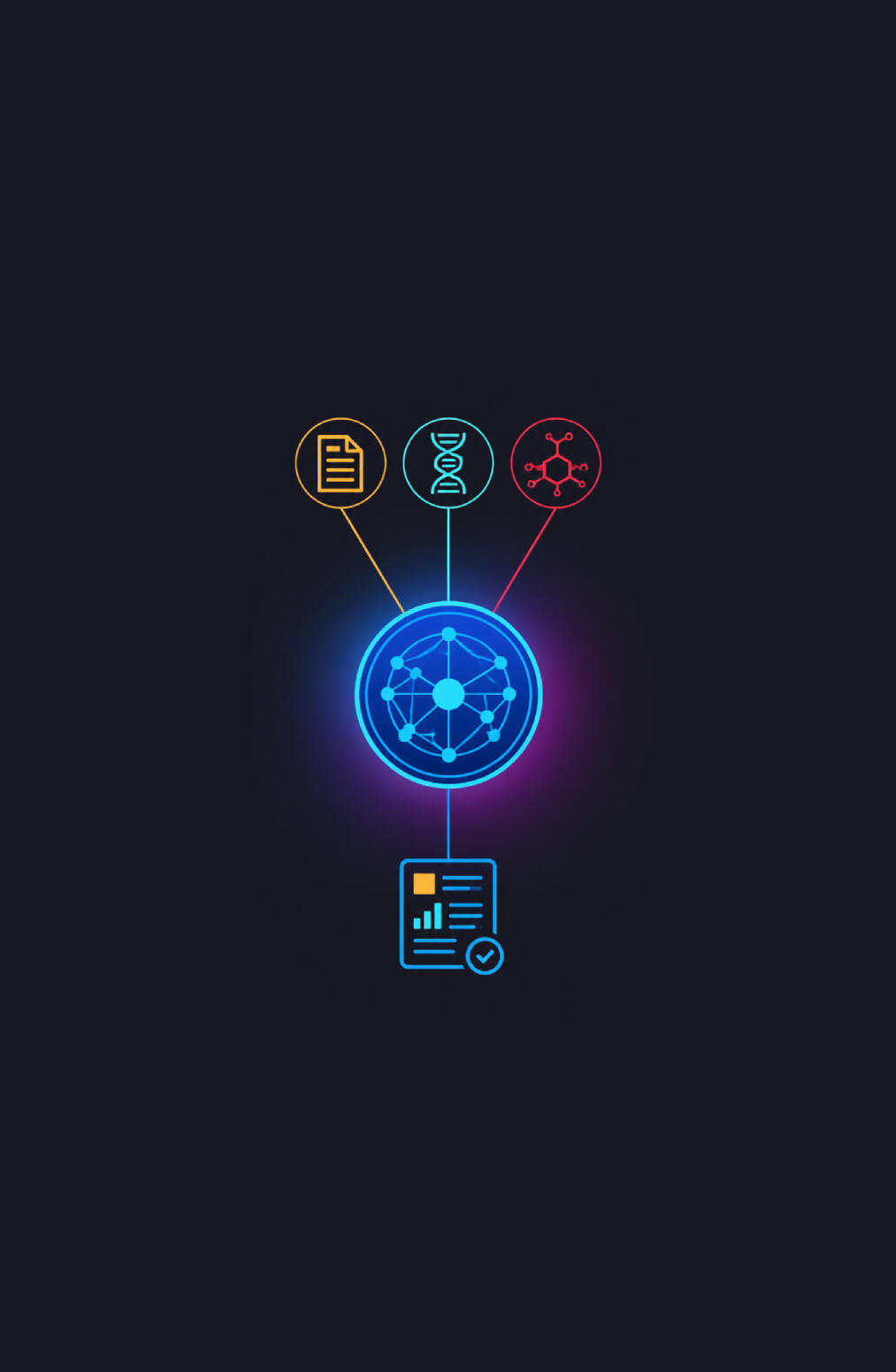
Agentic AI coordinates complex translational workflows across literature, databases, omics, disease models, and therapeutic evidence.Participants will learn how to:
• Decompose research questions into structured subtasks.
• Route tasks to specialist agents, databases, or tools.
• Understand sequential, parallel, and evaluator workflows.
• Produce structured, source-cited outputs.
• Track assumptions, uncertainty, and evidence provenance.
From Hypotheses to Therapeutics
Translational Loop
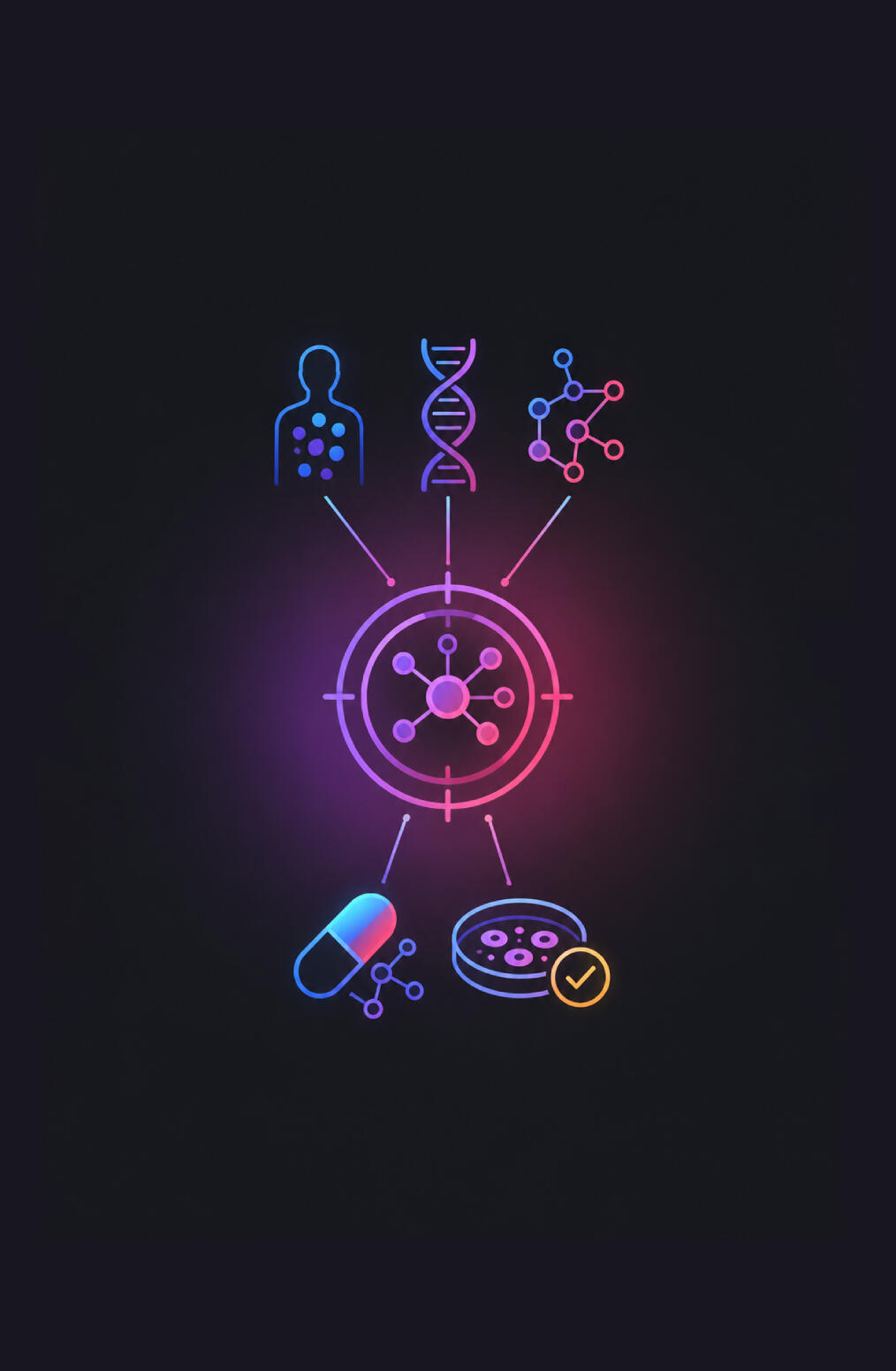
Use Agentic AI to connect phenotypes, genetics, pathways, disease mechanisms, targets, drugs, models, and literature.Participants will learn how to:
• Link phenotypes to variants and mechanisms.
• Prioritize targets using convergent multi-source evidence.
• Identify therapeutic strategies and methodologies.
• Retrieve and compare relevant clinical trials.
• Assess pharmacovigilance adverse-event signals.
• Include drug repurposing for accelerated therapeutics.
Supervise Every Stage
Researcher Oversight
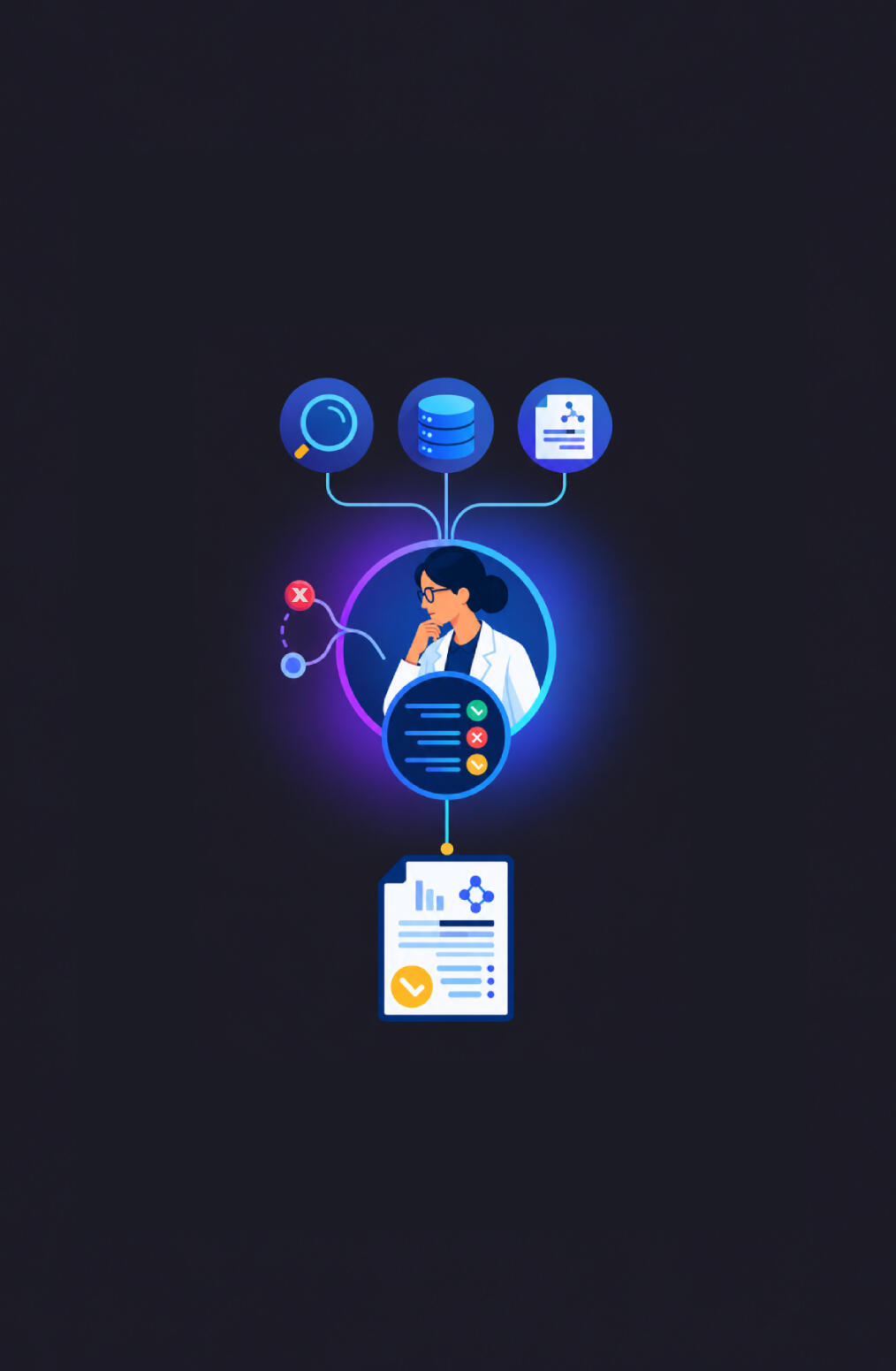
Supervise agents throughout the translational workflow—from question framing and evidence selection to mechanistic interpretation and final hypothesis approval.Participants will learn how to:
• Define evidence standards, criteria, databases, and tools.
• Inspect search strategies, sources, tool calls, and results.
• Challenge unsupported links and assumptions.
• Require uncertainty statements and alternative explanations.
• Create project reports with citations.
From Variant to Therapy
Rare-Disease
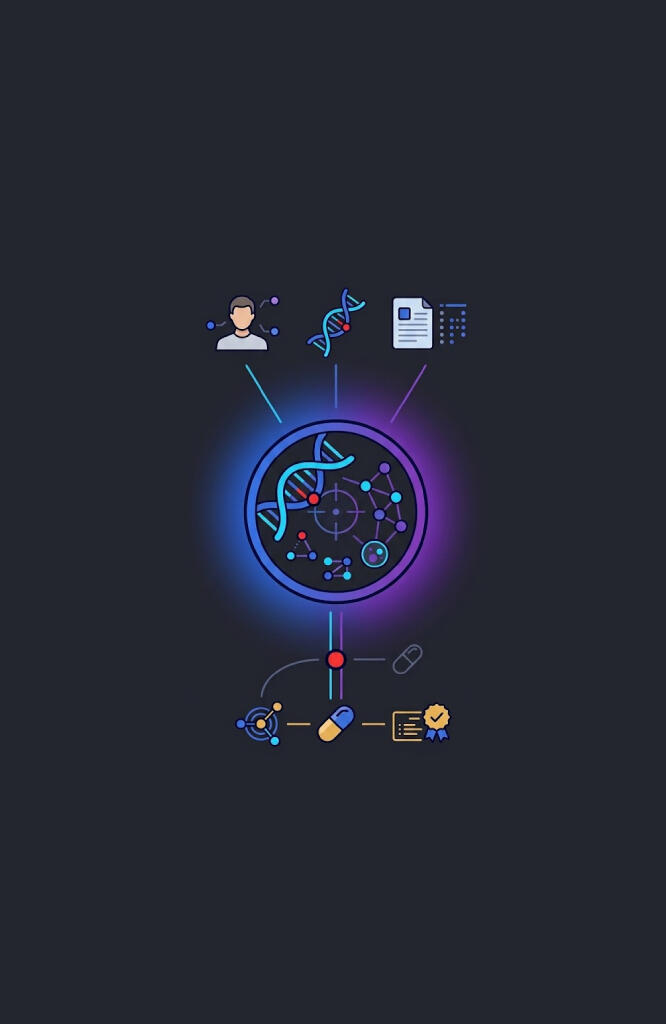
Examine how Agentic AI supports rare-disease investigations by connecting phenotypes, genetic findings, case reports, disease databases, and treatment evidence.Participants will learn how to:
• Investigate phenotype and variants in the biological context.
• Identify relevant pathways, and models.
• Prioritize targets, compounds and existing trials.
• Generate variant-to-therapy evidence maps.
• Identify approved drugs for possible drug repurposing.
Governance Across Institutions
Data Protection
Explore practical safeguards for translational AI data security, including data minimization, access control, auditability, and institution-approved deployment.Participants will learn how to:
- Protect sensitive research and subjects' data.
- Prevent data leakage to LLMs, APIs, and tools.
- Apply data minimization and pseudonymization.
- Record prompts, tool calls, sources, outputs, and decisions.
- Use intra-institutional deployment as the safe environment.

Hands-on Workshop
Through practical exercises and real-life cases, participants use agentic AI to synthesize hypotheses, connect phenotypes to mechanisms, and prioritize therapeutic evidence in a fast, structured, and traceable workflow.
Related Workshops

Clinical Agentic AI
Explore the role of agentic AI in clinical life. Synthesize clinical evidence, support diagnosis and treatment decisions, and accelerate rare-disease investigations.

Institutional Privacy
Use agentic AI with Confidential Research Data within institution-controlled infrastructure. Protect IPs while supporting data sovereignty and regulatory compliance.

Omar Laham, MD, MSc
• Medical Doctor
• MSc in Bioinformatics & Computational Biology
• PhD Candidate in Translational Neuroscience
• The University of Heidelberg, Germany